

Public Lecture
Breaking the Rules that Matter: Superconductors and Strange Quantum Materials
Erez Berg
Wed, Aug 5, 5:30–6:30pm
Quantum mechanics is one of the fundamental theories of our universe. It may seem obscure and remote from everyday life, yet it underlies the composition of matter and how it behaves – including everything you touch and work with. More than any other scientific discovery, it was the understanding of the quantum behavior of electrons in materials in the early 20th century that enabled the information age that we live in today.
In this talk, I will introduce you to the marvelous universe of quantum materials, where quantum physics plays an essential role. I will focus mostly on one phenomenon – superconductivity, a phase of matter where many electrons perform an intricate collective motion, conducting electricity without any energy loss. I will describe the history of this phenomenon, its mind-bending characteristics, and the ongoing hunt for superconductivity that operates at room temperature – a discovery that could transform our world, from lossless power grids to levitating trains, and one whose pursuit has produced both Nobel Prizes and spectacular scandals. Finally, I will try to give a sense of what the life of a researcher in the field is like – thinking and dreaming about quantum materials all day, every day.
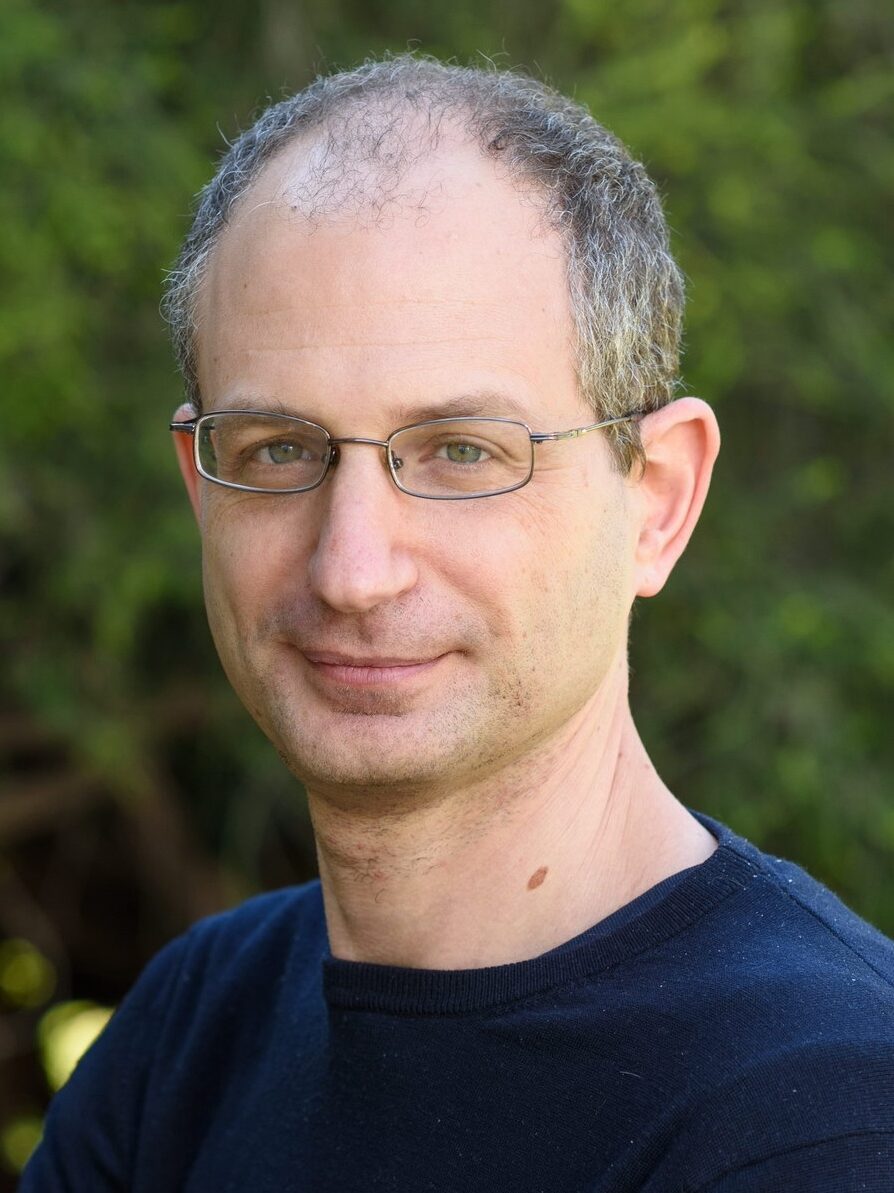
About Erez Berg
Heinz R. Pagels Public Lecture Series
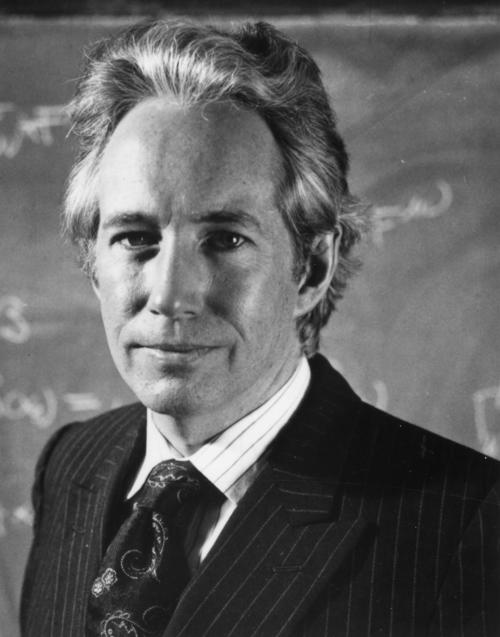
Heinz R Pagels was a professor of physics at Rockefeller University, president of the New York Academy of Science, a trustee of the Aspen Institute, and a member of the Aspen Center for Physics for twenty years, serving as a participant, officer, and trustee. He was also President of the International League for Human Rights. His work on chaos theory inspired the character of Ian Malcolm in the Jurassic Park book and movies. A part-time local resident, Professor Pagels died here in a mountaineering accident in 1988. His family and friends instituted the lecture series in his honor because he devoted a substantial part of his life to effective public dissemination of scientific knowledge.