
Public Lecture
Training Sand to Think: Artificial General Intelligence and the Future of Science
Adam Brown
Google DeepMind
Wed, Jan 14, 5:30–6:30pm
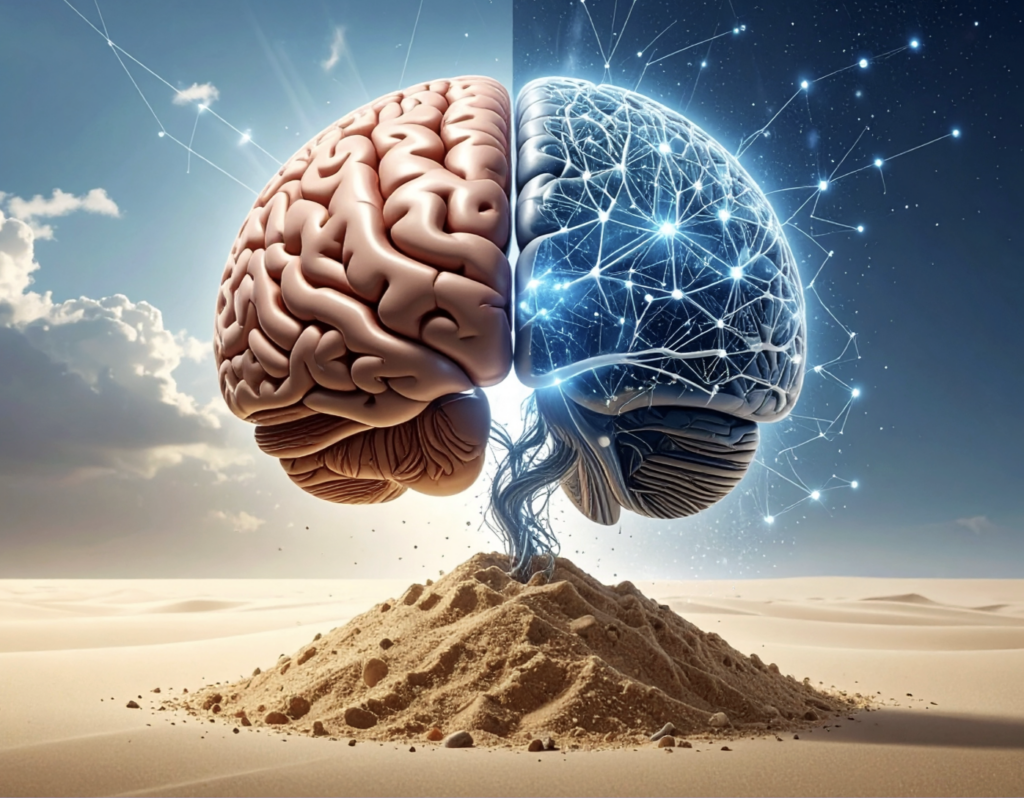
Our civilization has learned how to turn sand into silicon chips, silicon chips into neural networks, and neural networks into Artificial Intelligences (AIs). Over the last half decade, the capabilities of large language model AIs (like ChatGPT and Gemini) have leapt from babbling preschoolers to International Math Olympiad gold medallists, and now beyond. This talk reviews recent progress in training AIs to do science and reasoning, and speculates as to what it will mean for the future of physics if these trends continue.
The lecture will be followed by a discussion panel featuring leading artificial intelligence experts, offering multiple perspectives on the opportunities and challenges shaping AI today.
About Adam Brown
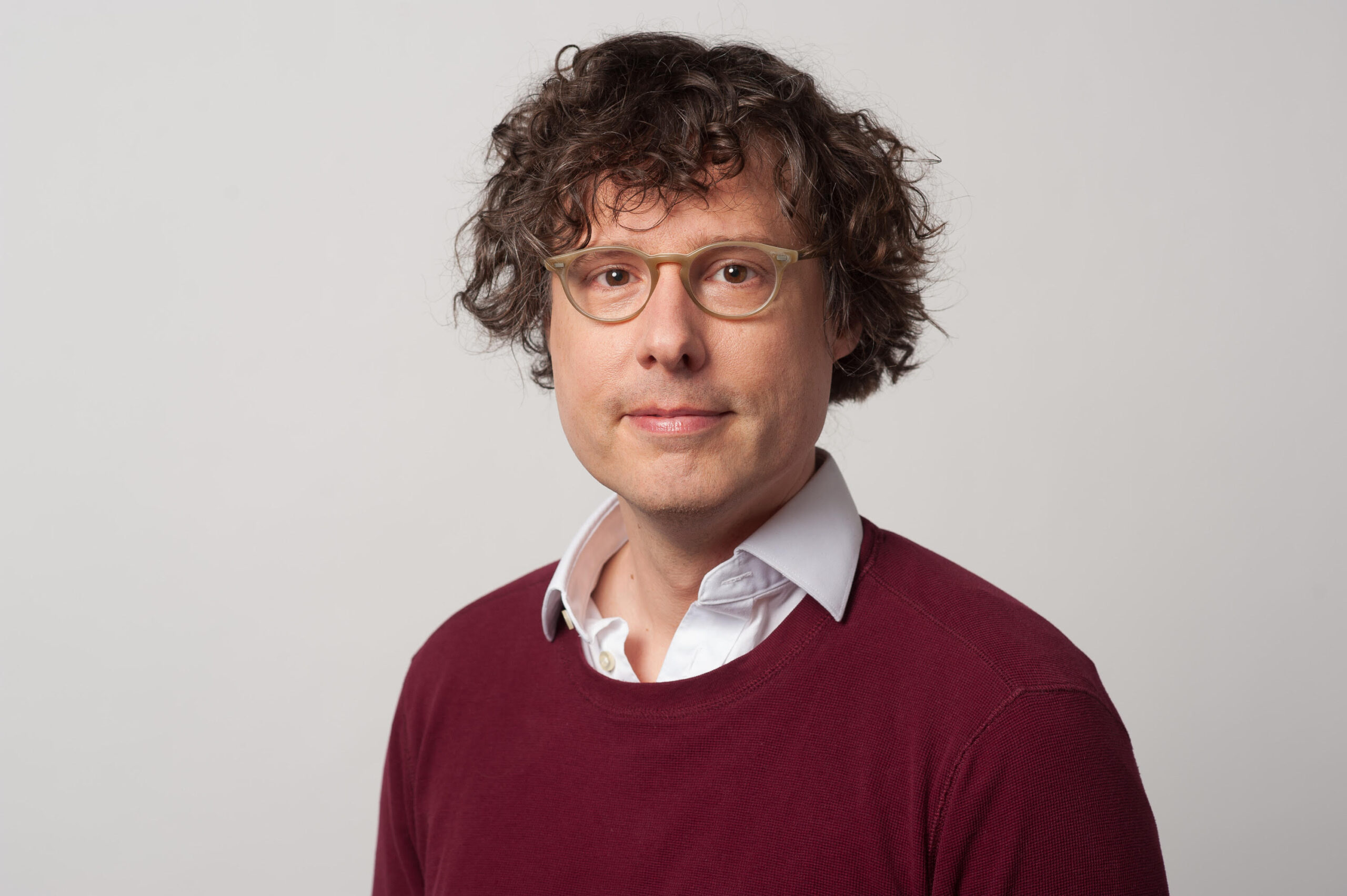
Adam Brown leads Blueshift—a research team at Google DeepMind focused on advancing the scientific and reasoning capabilities of artificial intelligence—and is a core contributor to Gemini. Before Google, he studied physics and philosophy at Oxford, earned a PhD at Columbia, and subsequently held academic appointments in the physics departments at Princeton and Stanford. There he taught Einstein’s general theory of relativity and conducted research on topics spanning the big bang, inflation, the multiverse, black holes, quantum computation, space elevators, bubbles of nothing, and the long-term fate of the universe, as well as the deep connections between physics and computer science. He joined Google in 2018.
Nick and Maggie DeWolf Public Lecture Series
The Nick and Maggie DeWolf Foundation has sponsored our winter public lecture series since their inception in 1985. The Nick and Maggie DeWolf Foundation is a nonprofit organization based in Aspen, Colorado. Its core tenet is to provide support to groups and organizations interested in improving the quality of life and education in the world. During the winter, Aspen Center for Physics hosts week-long conferences, and during each conference one of the conference participants is asked to give a public physics talk. You can watch past talks on our YouTube channel here.