
Public Lecture
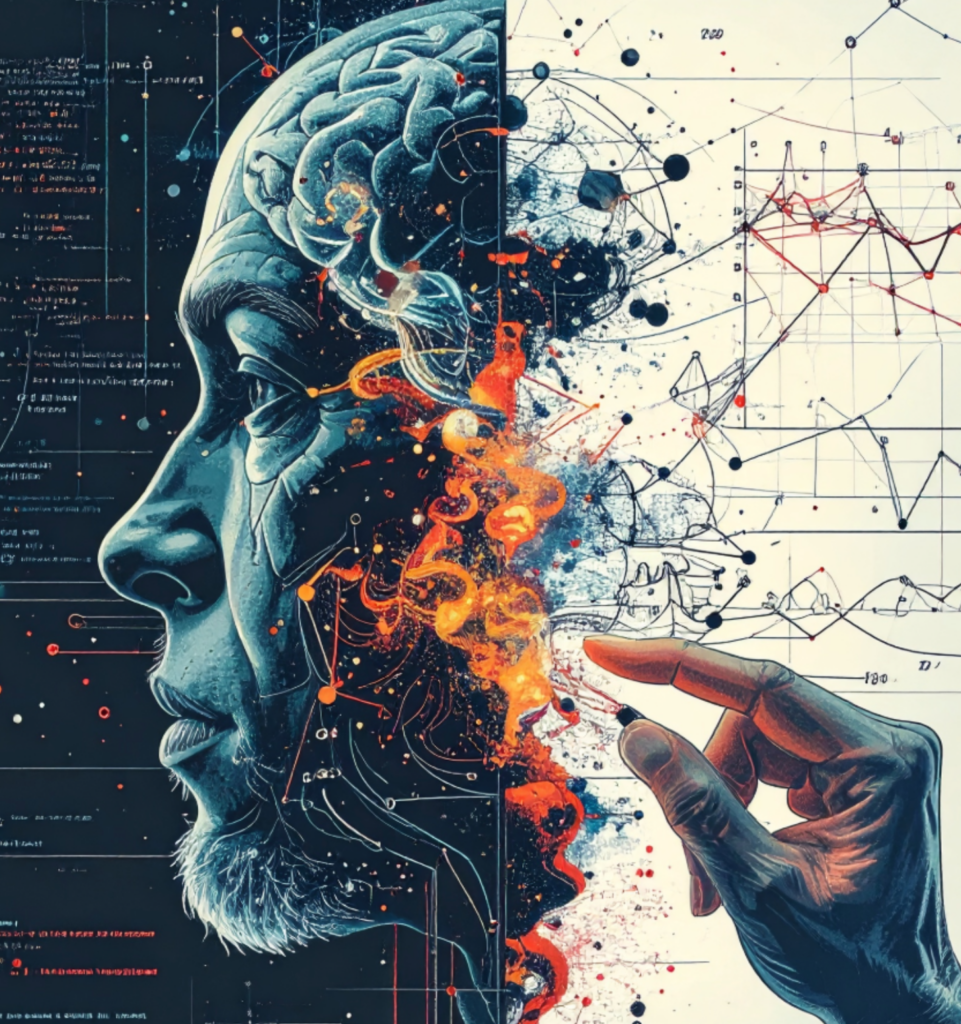
How AI is and isn’t Revolutionizing Science
Kyle Cranmer
University of Wisconsin – Madison
Wed, Feb 4, 5:30–6:30pm
Artificial Intelligence (AI) I is a transformative technology that is quickly raising the ambitions of scientists. Last year’s Nobel prizes in physics and chemistry highlighted the significance of these developments. However, the capabilities that AI enables and the ways those capabilities fit into the scientific method vary significantly. The incorporation of AI into scientific workflows raises important questions. For example, how do we maintain scientific rigor when incorporating AI components that are approximate or may ‘hallucinate’? These emerging patterns also are giving rise to a new set of questions in the philosophy of science. What is the role of interpretability, causality, prediction, hypothesis generation, etc.? What is the role of human understanding?
I will describe some of the ways that AI is revolutionizing science, but I will also stress how these advances aren’t enabled by AI alone. I will end with some thoughts about what this means for the future of science.
About Kyle Cranmer
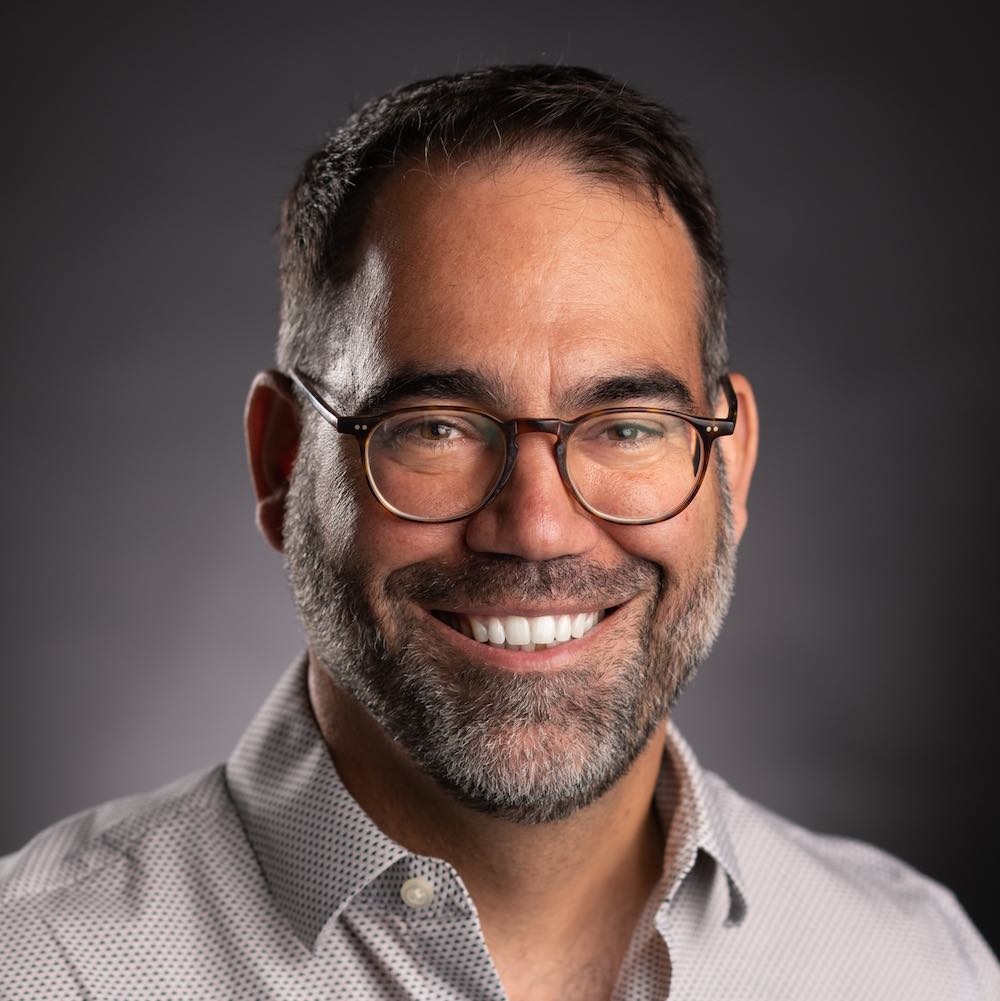
Kyle Cranmer is the David R. Anderson Director of the Data Science Institute and a Professor of Physics, Statistics, and Computer Science at the University of Wisconsin – Madison. He was awarded the Presidential Early Career Award for Science and Engineering in 2007, the National Science Foundation's Career Award in 2009, the Breakthrough Prize in Fundamental Physics in 2025, and became a Fellow of the American Physical Society in 2021 for his work related to the discovery of the Higgs boson at the Large Hadron Collider. In 2025, he was awarded the inaugural Margot and Tom Pritzker Prize for AI in Science.
Nick and Maggie DeWolf Public Lecture Series
The Nick and Maggie DeWolf Foundation has sponsored our winter public lecture series since their inception in 1985. The Nick and Maggie DeWolf Foundation is a nonprofit organization based in Aspen, Colorado. Its core tenet is to provide support to groups and organizations interested in improving the quality of life and education in the world. During the winter, Aspen Center for Physics hosts week-long conferences, and during each conference one of the conference participants is asked to give a public physics talk. You can watch past talks on our YouTube channel here.
Other Upcoming Events
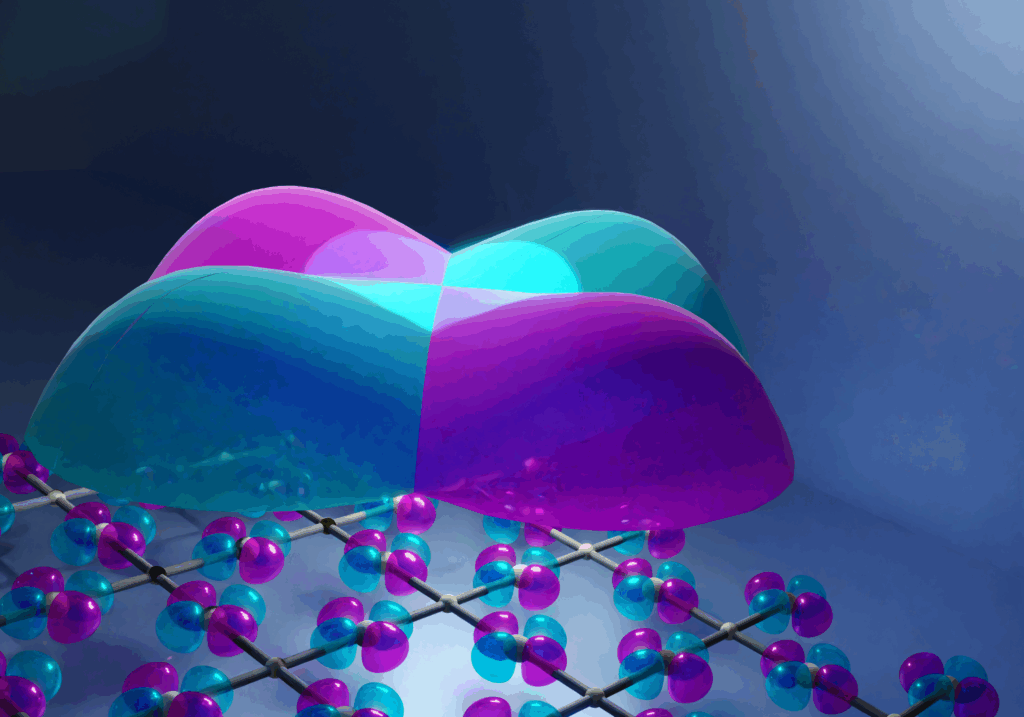
Altermagnetism: A Moonshot Discovery That Can Save or Doom Us
Wed, Apr 1, 5:30–6:30pm
Flug Forum, Aspen Center for Physics